
Before you reach for the plunger again, try one simple test. Leave the toilet alone, then run the bathroom basin, the bath and the kitchen sink in turn while you watch the water in the pan. If nothing else changes, the toilet blockage is probably close to the pan. If the bowl rises or bubbles, or an outside gully starts to fill, the problem lies further down the drain. Monster Drainage clears both kinds for homes and businesses across Leatherhead and KT22, including Fetcham, Ashtead and Bookham, with 24/7 support when it cannot wait.
Toilet Only, or the Whole Drain?
If the water in the pan stays still while the other taps run, the fault is most likely in the toilet itself or the short pipe behind it. That is often a single item, such as a wipe, a cotton bud or a wad of paper, lodged in the bend at the base of the pan.
If the water in the bowl climbs, gurgles or drops away suddenly as the bath empties, the waste from the rest of the house has nowhere to go. The blockage then sits beyond the point where the pipes join, in the soil stack, the underground pipe or the first inspection chamber. Clearing the pan alone will not fix that.
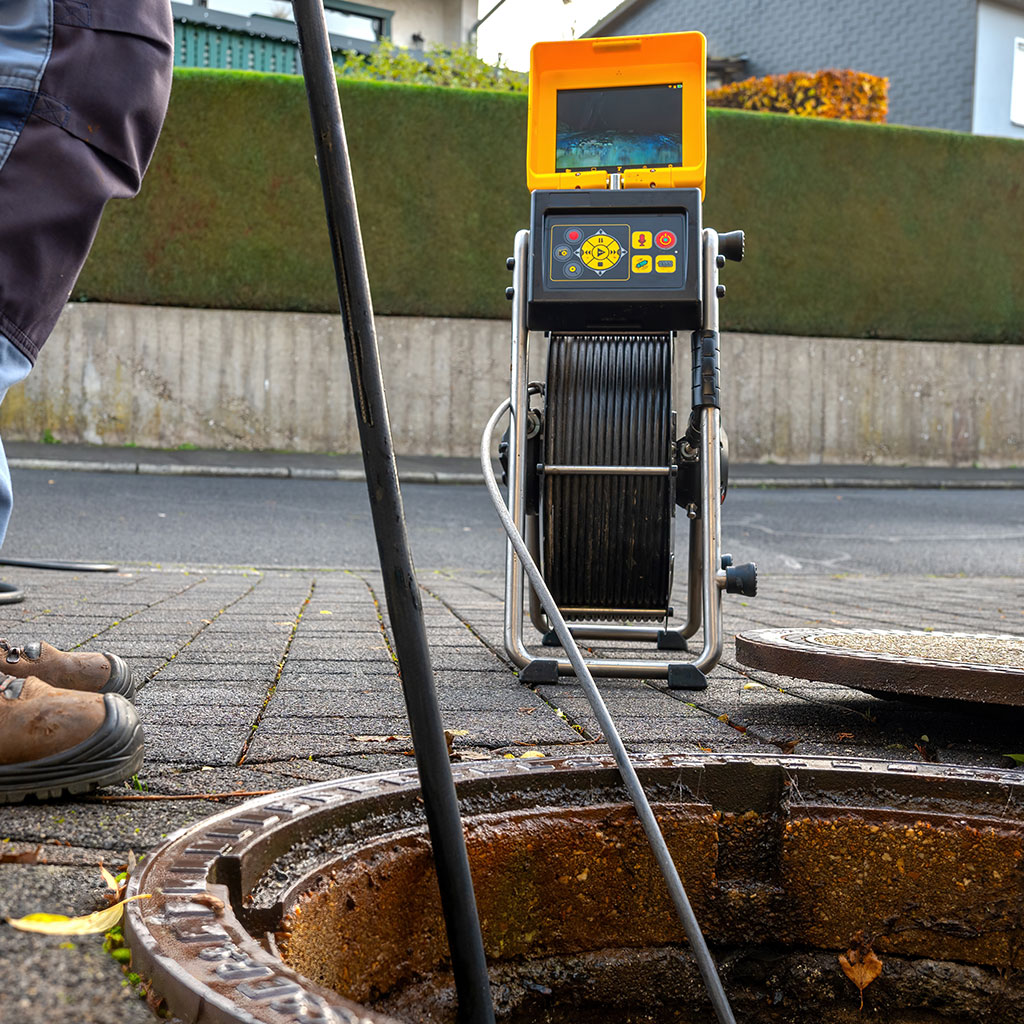
If you can lift the inspection chamber cover outside safely, take a look. A chamber full of standing water points firmly to a blockage further along the line.
Overflowing Toilet: What to Do Now
An overflowing toilet needs quick, calm action. Stop flushing straight away, because every flush sends more water into a pipe that cannot take it. Turn off the isolation valve on the pipe feeding the cistern if there is one, or lift the cistern lid and hold the float up so it stops refilling.
Lay old towels around the base of the pan and keep children and pets out of the room. Ask everyone in the house to leave the basins, the bath and the washing machine alone until the cause is known. Then give us a call. Our engineers are available 24/7.
Weak Flush or a Blocked Cistern
Not every slow toilet is a drain problem. If the bowl empties normally once the water arrives but the flush itself is feeble, look at the cistern first. A blocked cistern, a worn flush valve, limescale around the inlet or a float set too low can all leave too little water to clear the pan. That is a plumbing fault inside the toilet, and no amount of rodding or jetting will help it.
The pattern that does point to the drain is a full pan that drains away slowly on its own. The water is arriving, but the pipe beyond the bowl cannot carry it off. If you are not sure which you have, describe what you see when you call and we will say plainly whether it is a job for a drainage engineer.
Homes With More Than One Toilet
Plenty of houses in and around Leatherhead have an en suite, a family bathroom and a downstairs cloakroom. When one of those toilets blocks and the others still work, the fault is usually in the branch pipe serving that room alone.
When the lowest toilet in the house fills up as someone flushes upstairs, the shared pipe below them is blocked. Waste from above takes the easiest way out, and the lowest pan is it. In that case please stop using every toilet in the house until the drain has been cleared. On a visit we can:
- Clear the pan and the pipe directly behind it
- Rod or jet the soil pipe and the underground drain where the blockage sits further down
- Lift the inspection chambers to see how far the waste has backed up
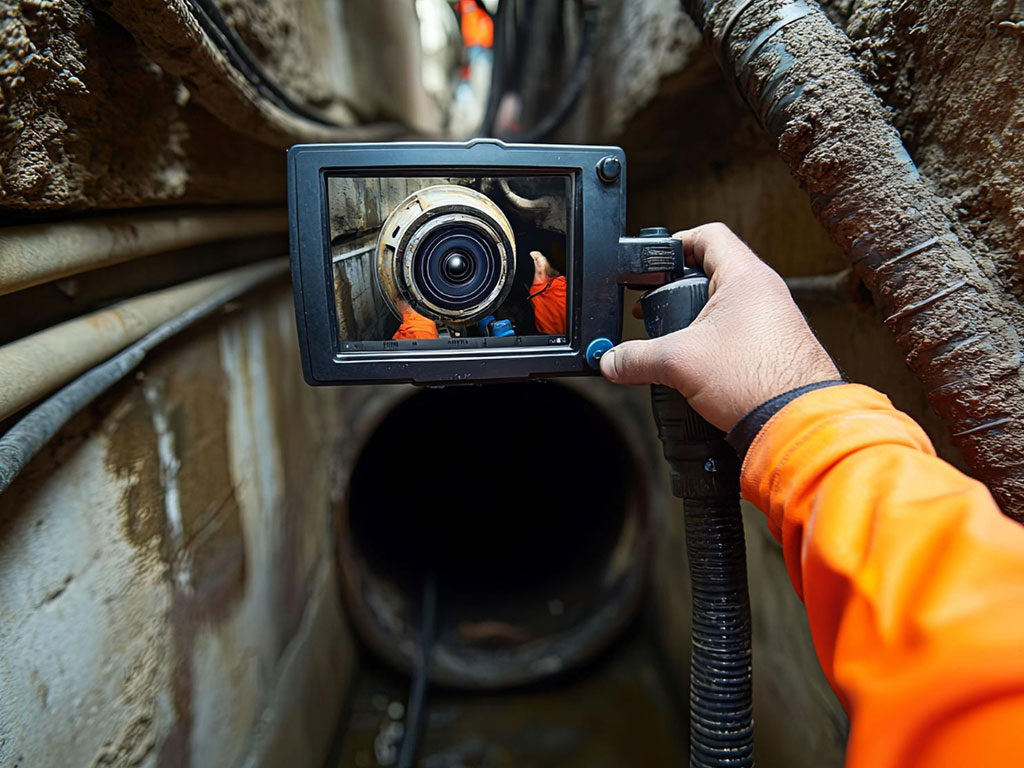
- Run a CCTV drain survey if the toilet keeps blocking
- Tell you when a weak flush is a cistern fault rather than a drain fault
- Attend as an emergency call out when an overflow cannot wait
Slow Drains After Heavy Rain
Leatherhead sits on the River Mole at the southern edge of the London Basin, where the chalk of the North Downs dips beneath London Clay. Springs rise along that boundary, Fetcham Mill Pond among them, and the water table in the valley can be high. The Mole itself rises quickly after a downpour, because so much of the land it drains is clay that sheds water rather than soaking it up.
That matters for drains in two ways. Older pipes with cracked or open joints can take in groundwater when the ground is saturated, leaving less room for waste. And when the sewers in the street are running full during a storm, a toilet can drain slowly or gurgle for a few hours. If the problem eases once the rain stops, mention it when you call, because it helps us judge whether the cause is in your pipes or beyond them.
Fetcham, Ashtead and Bookham
We cover the whole of KT22, from the town centre and the streets near the station out to Fetcham, Ashtead and Bookham, and we help houses, flats, shops and offices alike. The test at the top of this page works in every one of them.
If you rent your home, let your landlord or agent know as soon as the toilet blocks. A short note of what you saw, such as which outlets backed up and when, makes the conversation easier for everyone.
Keeping the Toilet Clear
Paper, human waste and nothing else is the rule that prevents most blockages. Wet wipes, even those sold as flushable, do not fall apart the way toilet paper does and tend to collect in bends and chambers. Cotton buds, dental floss and sanitary products cause the same trouble. A small bin beside every toilet in the house does more good than any chemical product.
Blocked Toilet Questions We Hear in Leatherhead
Q: Should I keep plunging?
A: A few firm strokes with a proper toilet plunger are worth trying when only the toilet is affected. If the water level has not moved after that, stop. Repeated plunging against a blockage further down can push dirty water out of the pan, disturb the seal at the base or force the obstruction deeper into the pipe.
Q: Is bleach safe to pour into a blocked toilet?
A: Bleach cleans and disinfects, but it will not dissolve wipes, paper or solid objects. Mixed with other drain products it can give off harmful fumes, and whoever clears the drain afterwards then has to work with it. It is safer to keep chemicals out of a toilet that is already blocked.
Q: Why does the toilet gurgle when the bath empties?
A: Gurgling means air is being drawn through the water in the pan as waste from the bath struggles past a restriction. It usually points to a partial blockage in the shared pipe below, or a problem with the vent at the top of the soil stack. It is worth having it checked before the restriction closes completely.
Q: Can you come out at night?
A: Yes. Our engineers are available 24/7, so you can call at night, at the weekend or on a bank holiday. If the toilet is overflowing, follow the steps above while you wait.
More Drainage Help in Leatherhead and Nearby
Contact Us
If your toilet is blocked or overflowing anywhere in Leatherhead, Fetcham, Ashtead or Bookham, call Monster Drainage on 08006 546213 or email info@monsterdrainage.co.uk. Tell us what the quick test showed and we will advise on the next step and arrange a visit.