
In a family home with an en suite, a main bathroom and a cloakroom, one blocked toilet soon puts pressure on the others. Monster Drainage clears toilets in Banstead, Nork, Burgh Heath and Woodmansterne, dealing with the pan first and then the pipe beyond it if that is where the trouble lies. Our engineers cover SM7 around the clock, every day of the year.
Three Signs and What Each One Means
Sign one: the water rises high in the pan after a flush, then drains away over several minutes. Something is partly blocking the bend or the pipe just behind the toilet, but water is still squeezing past. This is the best time to act.
Sign two: the toilet will not drain at all, yet every basin, bath and shower in the house is fine. The blockage is almost certainly confined to that toilet and its branch pipe. A plunger may shift it, and if it does not, the obstruction is solid or wedged.
Sign three: more than one toilet is slow, or a downstairs toilet fills when an upstairs one is flushed. That points to the main soil pipe or the underground drain. Stop using water in the house until it has been cleared, because the waste has nowhere to go.
Clearing the Pan First, Then the Pipe
We begin at the toilet, because it is the simplest place to put things right. A blockage in the trap at the base of the pan can usually be cleared with the proper toilet tools, and a solid object can often be retrieved rather than pushed further in.
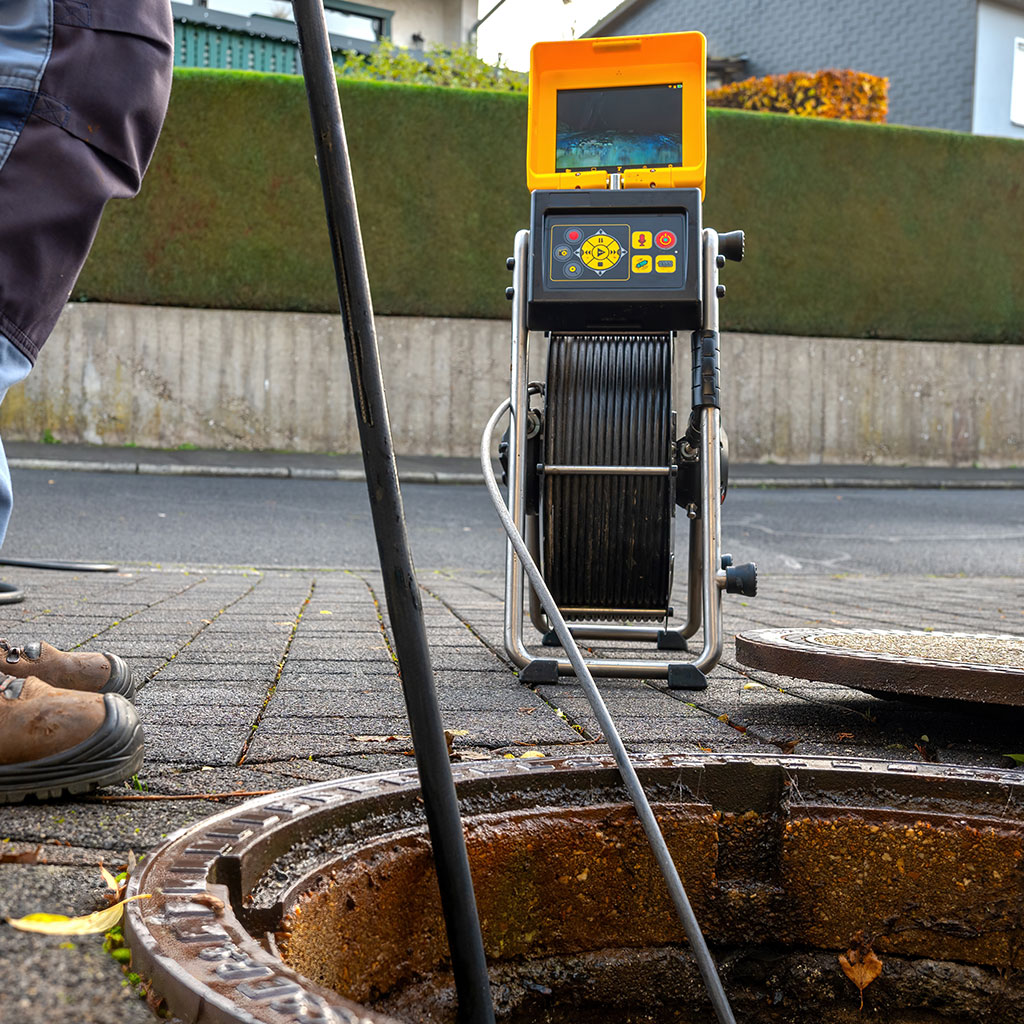
If the pan clears but the water still will not go away properly, we move outside to the inspection chambers. Lifting the covers shows where the waste has stopped. From there the underground pipe can be rodded or cleaned with high pressure jetting, working from the chamber so that very little happens in the bathroom itself.
If the pan is cracked, or the toilet keeps blocking at the same point after it has been cleared, we will tell you plainly rather than clearing it over and over.
Banstead Homes With Long Gardens to the Road
Banstead sits high on the North Downs, and many of its homes, including the large detached interwar houses in Nork, are set well back from the road. A long front garden means a long underground run between the house and the public sewer, often with more than one inspection chamber along the way.
The longer the run, the more joints and bends it has, and the more places for paper or wipes to catch. Large shrubs and trees in big gardens can add roots to the picture where old clay joints have opened. When a toilet keeps blocking in a house like this, the cause is often a long way from the bathroom.
Several Toilets, One Drain
However many bathrooms a house has, they usually join a single soil stack or drain before it leaves the property. That is why the lowest toilet, often the cloakroom, tends to reveal a main drain blockage first. It is also why switching to another toilet while one is blocked can make matters worse if the shared pipe is at fault.
Small Habits That Prevent a Repeat
In family homes, children and visitors are often behind the unexpected. A bin in every bathroom, a quiet word about wipes and a lid kept down where there are toddlers will stop most surprises. Splitting a large amount of paper across two flushes is kinder to a toilet with a modern low volume cistern.
Homes and Businesses Across SM7
Alongside family homes, we help shops, offices and other premises around Banstead with toilet and drain problems. For larger buildings with several toilets, our commercial drainage service looks at the whole system rather than one pan at a time.
Landlords with lets in the area can call us directly, and we can arrange to attend while the tenant is at home.
Loft Rooms, Extensions and Newer Bathrooms
When a bathroom is added in a loft or an extension, its pipes have to join the existing system somewhere. A new toilet connected into an old stack or drain with too little fall, or with a tight bend where the two meet, can be prone to blocking from the start. If a recently fitted toilet keeps giving trouble, tell us roughly when it went in, because the way it was connected is often part of the answer.
What a Visit Can Include
Every visit starts with a few questions and a look at the other outlets. The rest depends on what we find, and we explain each step before we take it.
- Clearing the toilet pan and trap
- Retrieving solid objects where they can be reached
- Checking the soil pipe and every inspection chamber
- Rodding or jetting the underground drain
- A CCTV drain survey for repeat blockages
- Clear quotes with no hidden charges before any further work
Banstead Toilet Questions Answered
Q: The toilet flushes, but slowly. Is it blocked?
A: Often it is partly blocked. If the bowl fills higher than normal and empties over a minute or two, something is narrowing the pipe. If the flush itself is weak but the bowl empties quickly, the cistern is more likely to be the cause than the drain.
Q: Are wet wipes really a problem if the packet says flushable?
A: Yes, they can be. Wipes are designed to hold together when wet, so they break down far more slowly than toilet paper. In a long drain run they catch on joints and gather other waste around them. Bin them instead.
Q: Can you check the soil pipe as well as the toilet?
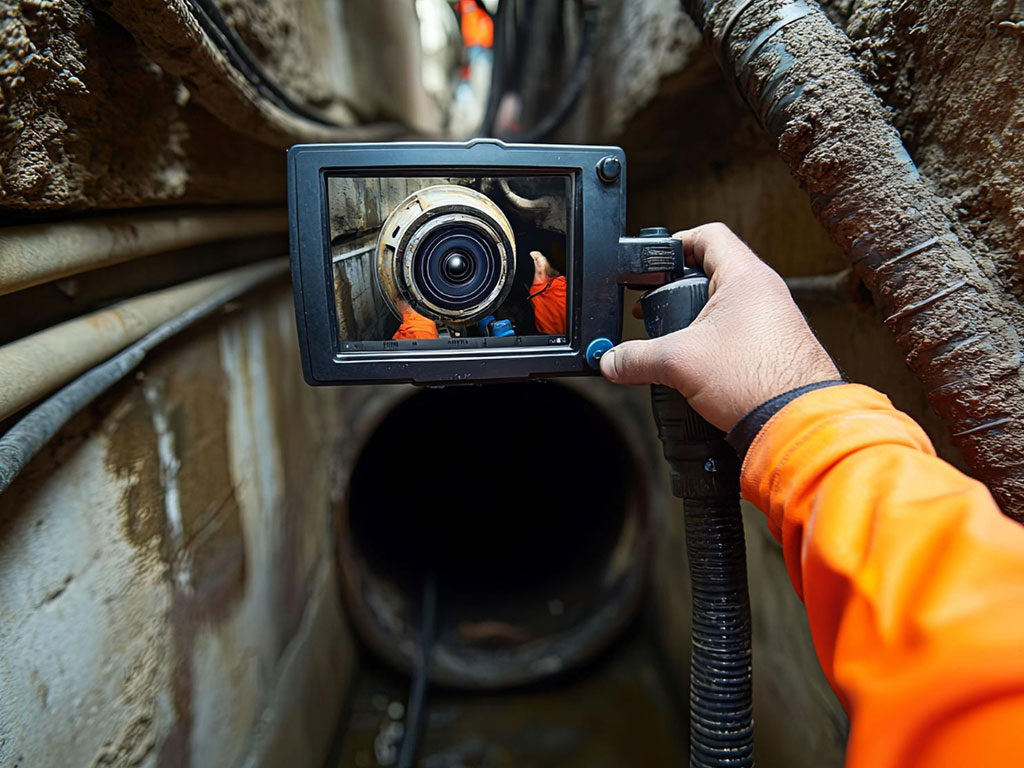
A: Yes. If the toilet clears but the problem returns, we can look at the soil pipe and the underground drain. A CCTV survey shows the inside of the pipe in places we cannot see from the chambers.
Q: Will the bathroom be left clean?
A: Keeping things clean and controlled is part of every visit. Where the blockage is in the underground drain, the work is usually carried out from the inspection chambers outside, so the bathroom sees very little of it.
Contact Us
Call Monster Drainage on 08006 546213 or email info@monsterdrainage.co.uk about a blocked toilet anywhere in Banstead, Nork, Burgh Heath or Woodmansterne. Let us know how many toilets are affected and whether anything is coming up outside, and we will take it from there.