
Many Surbiton homes are flats, and flats share pipes. When the toilet in a ground floor flat fills up every time the flat above flushes, the problem is not in your bathroom at all. Monster Drainage clears blocked toilets and shared soil stacks across Surbiton, Berrylands and Tolworth in KT5 and KT6, for residents, landlords and managing agents.
One Stack, Several Flats
In a converted house or a purpose built block, the toilets on each floor usually connect to a single vertical pipe called the soil stack. It runs down an outside wall or inside a duct and joins the underground drain at the bottom. Every flat above ground level relies on it.
If the stack or the drain below it blocks, waste from the upper flats backs up to the lowest point it can reach. That is usually the toilet or shower in the ground floor flat. The people downstairs see the problem first, even though they did not cause it.
Converted Villas Around St Mark's
Surbiton grew quickly once the railway arrived in 1838, and the large Victorian villas around St Mark's date from that period. Many have since been divided into flats, with new bathrooms added on each floor. The original drainage was laid for one household, not three or four.
In conversions like these, pipes can take long or awkward routes to reach the stack, with extra bends and shallow falls. The underground drains beneath the house may still be the original clay. Both make blockages more likely, and both mean that choosing the right point to clear from matters.
Art Deco Courts
Surbiton also has a number of Art Deco blocks of flats. Their soil stacks may run inside the building, with access panels in communal corridors or in individual flats. A blockage high in a stack can affect several flats on one side of the building, while one at the base can affect everyone.
Tolworth and Berrylands Houses
Away from the centre, Berrylands and Tolworth were largely built up in the 1930s, with streets of semi detached houses. The arrangement is simpler here: the toilets, bath and kitchen in each house usually join one drain, which may run to a chamber shared with the house next door.
When that shared section blocks, both households can be affected. Since 1 October 2011, shared drains and lateral drains outside the property boundary have passed to the water companies, so exactly where the blockage sits can matter. A look in the chambers usually shows it.
Signs the Stack Is Blocked
Water rising in a ground floor toilet or shower after someone upstairs uses the bathroom. Gurgling from a basin when a toilet on another floor is flushed. A smell in a communal hall, or a damp patch near the stack. Any of these is worth reporting to the managing agent and to us.
Working With Residents and Managing Agents
Clearing a shared stack can involve more than one flat, a communal area and the drain outside. We can speak with the managing agent or freeholder, explain where the blockage is and what is needed to clear it, and give a clear quote with no hidden charges.
If you are the resident who noticed the problem, you do not need to wait for everyone else in the building to agree before calling. Tell us what you can see from your own flat, and pass the agent's details on if you have them, so the right people are kept informed from the start.
Keeping a Shared Stack Clear
A shared stack is only as clear as its least careful user. A short note in the communal hall about wipes, sanitary items and cooking fat can make a real difference in a block. Landlords may also want to mention it to new tenants when they move in.
What We Do in Flats and Houses
The first job is to work out whether the fault is in one flat, in the shared stack or in the drain outside. Once we know, the work can include:
- Clearing the toilet pan and branch pipe in the affected flat
- Clearing soil stacks through their access points
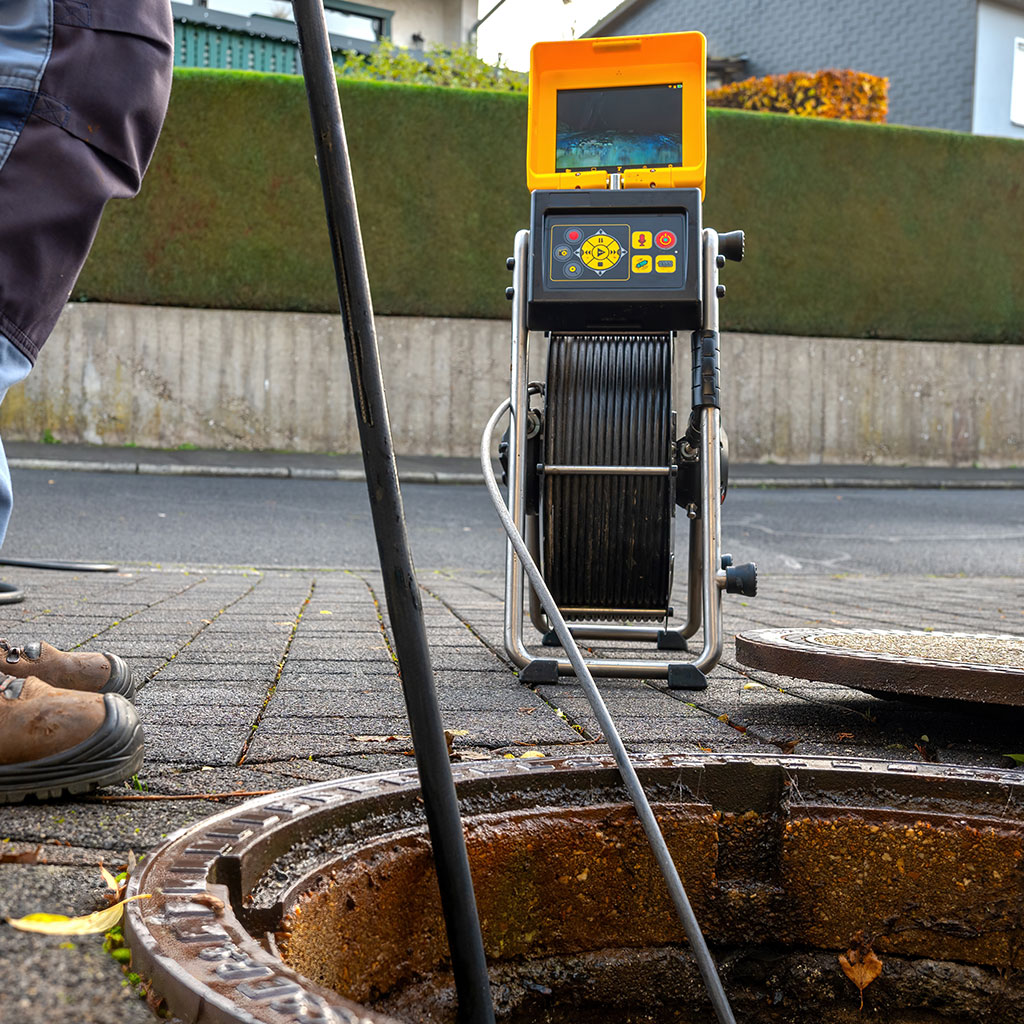
- Rodding or jetting underground drains from the chambers
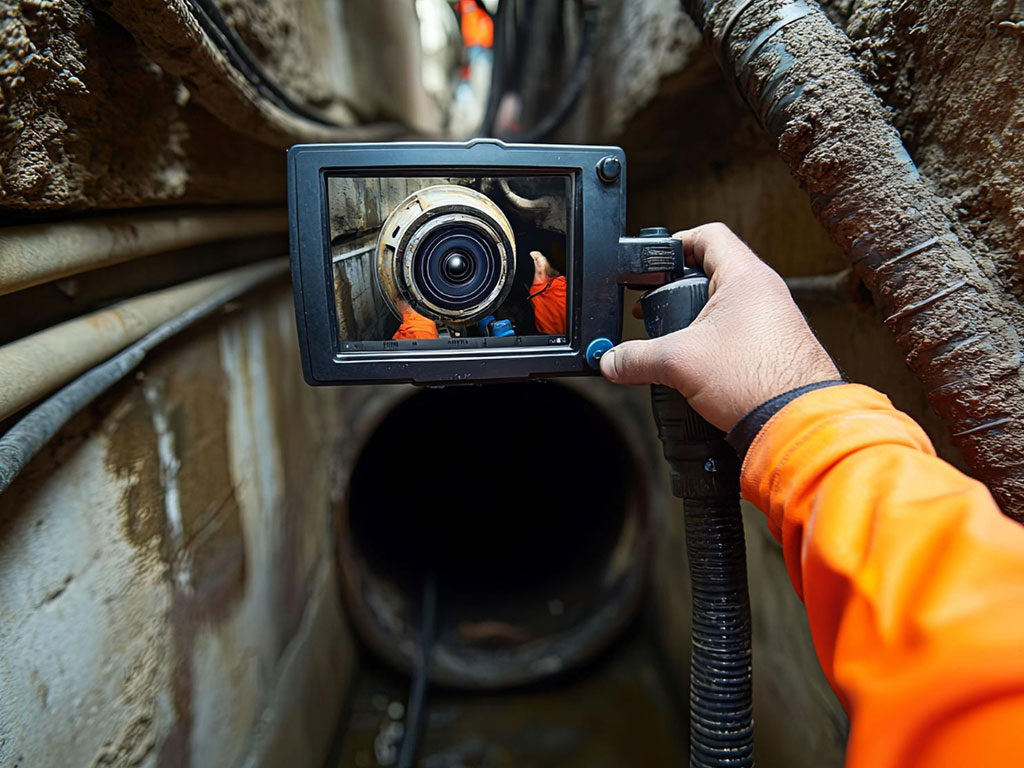
- A CCTV drain survey to find the cause of repeat blockages
- 24/7 emergency help when sewage is coming up
- Plain explanations for residents and agents
Questions From Surbiton Flats and Houses
Q: Water came up our toilet when the flat upstairs flushed. Why?
A: The shared soil stack or the drain below it is blocked. Waste from upstairs has nowhere to go, so it rises at the lowest outlet, which is your toilet. Ask your neighbours to stop using water and give us a call.
Q: What exactly is a soil stack, and who shares it?
A: It is the large vertical pipe that carries waste from toilets, baths and basins down to the underground drain. In flats it is usually shared, and it has a vent at the top that lets air in and stops the water being pulled out of traps.
Q: Do you need access to both flats?
A: Not always. Many stack blockages can be cleared from the foot of the stack or from the inspection chamber outside. If the blockage is higher up, we may need an access point inside one of the flats, and we will tell you which one.
Q: Can you work in communal areas?
A: Yes. Communal halls, bin stores and rear yards often give the best route to the drains. It helps if the managing agent or a resident can let us in and let the other residents know we are working.
Contact Us
If a toilet or soil stack is blocked in a Surbiton flat, a Berrylands house or anywhere in KT5 and KT6, call Monster Drainage on 08006 546213 or email info@monsterdrainage.co.uk. Let us know which floor you are on and whether other flats are affected.